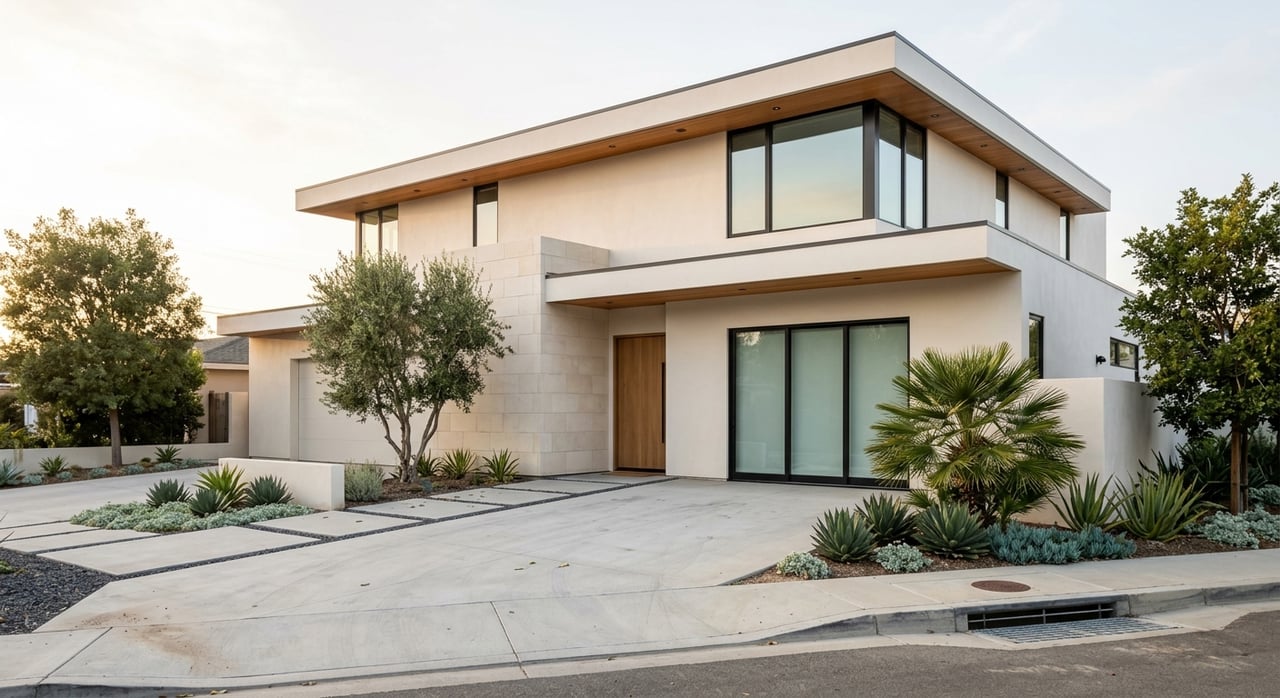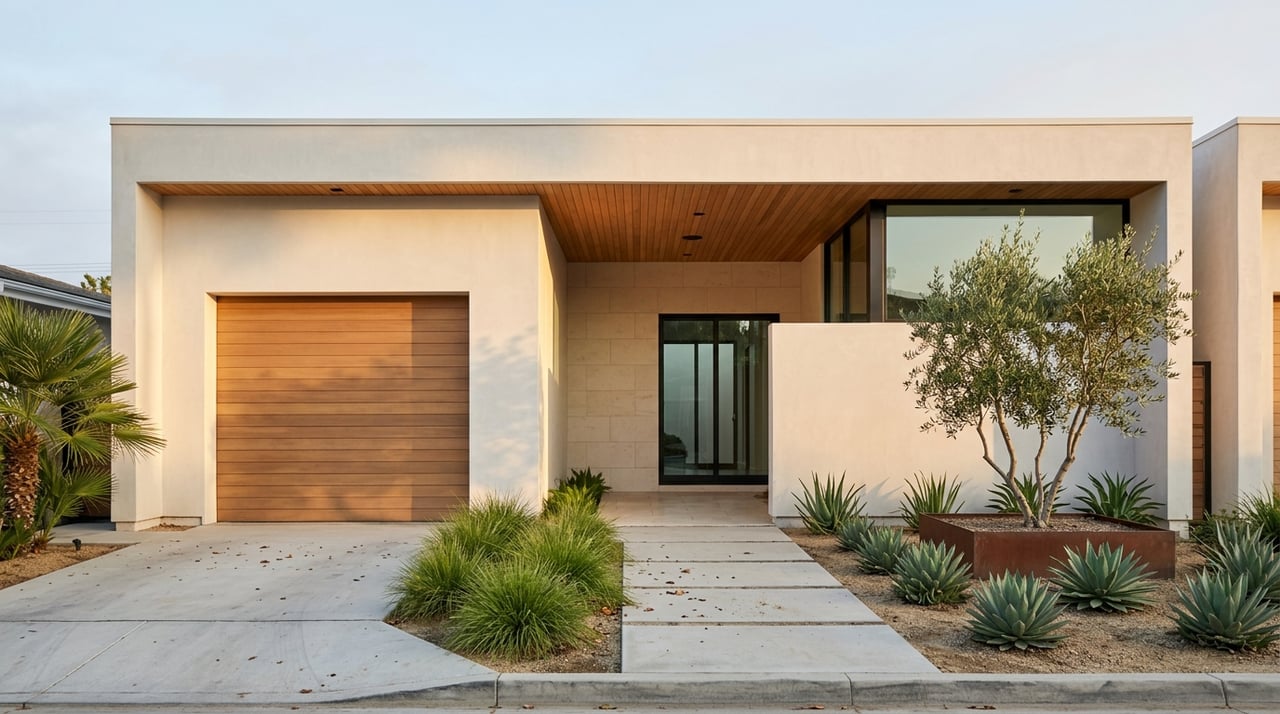
Are you looking at Oceanside as an investment market and wondering whether the numbers, location, and long-term upside really pencil out? That is a smart question, especially in a coastal city where lifestyle appeal can sometimes distract from the actual economics. If you want a clear view of what investors should watch in Oceanside, from rent bands to local regulations and neighborhood strategy, this guide will help you cut through the noise. Let’s dive in.
Why Oceanside Gets Investor Attention
Oceanside stands out because it offers a coastal North County location at a lower entry point than some nearby markets. In March 2026, Redfin reported a median sale price of $875,000 in Oceanside, compared with about $1.6445 million in Carlsbad and $925,000 in San Marcos. For many investors, that makes Oceanside feel like a more accessible coastal option with stronger flexibility on acquisition strategy.
The city also has real lifestyle infrastructure behind the demand story. Oceanside lists 3.5 miles of public beaches, a 1,954-foot pier, and a 1,000-slip marina. Combined with a 58.3% owner-occupied housing rate, median household income of $97,737, and median gross rent of $2,303, the market looks more like a broad housing market than a narrow luxury niche.
What the Current Market Looks Like
Oceanside is competitive. Redfin described the market as very competitive in March 2026, with homes receiving about three offers on average and selling in around 34 days. That matters because investors are often competing not just with other investors, but also with owner-occupant buyers drawn to the coastal lifestyle.
For that reason, your margin for error can be thin. If you are underwriting an Oceanside rental, you usually need a clear strategy before you buy, whether that means long-term hold, light renovation, ADU potential, or a strong resale story.
Rental Demand in Oceanside
Rental demand in Oceanside is supported by a diverse employment base, not just one industry. The city lists major employers including Genentech, Hydranautics, Nitto Denko, Gilead Sciences, Suja Juice, Camp Pendleton, Oceanside Unified School District, MiraCosta College, North County Transit District, and Tri-City Medical Center. That mix supports demand from military households, healthcare workers, education employees, biotech staff, manufacturing workers, service-sector tenants, and commuters.
Census data adds more support to that picture. Oceanside shows a 63.6% labor-force participation rate and a mean commute of 28.7 minutes. In practical terms, that suggests a renter pool that is relatively broad and tied to multiple parts of the regional economy.
Rent Bands Matter More Than One Number
If you are trying to estimate income, it is better to use a rent range than to rely on a single headline figure. Census QuickFacts reports median gross rent of $2,303. Apartments.com shows average apartment rent at $2,224, with averages of $2,224 for a one-bedroom, $2,713 for a two-bedroom, and $3,594 for a three-bedroom. RentCafe reports a city average apartment rent of $2,626, with neighborhood averages ranging from about $2,208 in Mission Mesa to $2,902 in Townsite.
A practical takeaway is that apartment-style underwriting in Oceanside often lands somewhere from the low $2,000s to the mid $3,000s, depending on size and location. Higher rent is possible for larger homes, but those deals often come with a higher cost basis and more operating complexity.
Which Property Types Can Command Higher Rent
Not all product types perform the same way. According to Apartments.com, houses average $4,428 in rent, condos average $3,889, and townhomes average $4,446. Those figures sit above the average apartment rent and help explain why many investors focus on condos, townhomes, and smaller single-family homes.
That said, higher top-line rent does not automatically mean a better investment. You may also be taking on HOA dues, more maintenance exposure, or higher insurance costs. In Oceanside, the best asset type for you often depends on whether you value lower management intensity, stronger resale appeal, or better gross income potential.
Best Oceanside Strategies by Area
The most useful way to think about Oceanside is by subarea and likely strategy fit. These labels are common market shorthand, not official boundaries, but they can still help you frame opportunities.
Coastal Corridor and Downtown
The coastal corridor, including Downtown, South Oceanside, and Townsite, often appeals to investors who care about scarcity, long-term appreciation, and exit liquidity. The city’s Coast Highway Vision and Strategic Plan frames this area as a mixed-use, transit-oriented, pedestrian-friendly redevelopment corridor. Downtown also has its own redevelopment and coastal-zone planning focus.
RentCafe reports Townsite at $2,902 per month, the highest neighborhood average in its Oceanside sample. Even so, many coastal acquisitions here are better viewed as appreciation plays than pure cash-flow plays. If you are buying near the shoreline or west of Coast Highway, the upside may be stronger on long-term positioning than on immediate yield.
Fire Mountain, Mission Mesa, and East Side-Capistrano
These subareas often make more sense for basis-sensitive investors. RentCafe shows average rents of $2,384 in Fire Mountain, $2,208 in Mission Mesa, and $2,523 in East Side-Capistrano. That positioning can work well if your investment plan relies on renovation, steady rent growth, or a longer hold period.
For many buyers, these areas offer a different tradeoff than the coast. You may give up some of the premium tied to a coastal address, but you can sometimes create a more practical buy-and-hold framework if your basis is right.
Rancho Del Oro, Ivey Ranch, Mira Costa, and San Luis Rey
This cluster is often worth a close look for long-term rental demand. RentCafe shows Ivey Ranch-Rancho Del Oro at $2,780, Mira Costa at $2,756, and San Luis Rey at $2,591. These numbers suggest stable demand in more suburban, workforce-oriented settings.
El Corazon is also part of the long-term story here. The city describes El Corazon as a 465-acre central infill site with planned parks, civic uses, commercial space, village commercial uses, hotel, and mixed-use residential components. For investors, that signals possible upside from continued amenity buildout over time.
What Cash Flow Really Looks Like
This is the part many investors need to view with clear eyes. Using Oceanside’s $875,000 median sale price, apartment-style gross yields screen as low-single-digit returns at market pricing. Based on the rent examples in the research, a one-bedroom at $2,224 per month works out to about 3.05% gross yield, a two-bedroom at $2,713 works out to about 3.72%, and a three-bedroom at $3,594 works out to about 4.93%.
If you apply a rough 40% operating expense screen, illustrative pre-debt NOI comes out to about $1,334 per month for the one-bedroom example, $1,628 for the two-bedroom, and $2,156 for the three-bedroom. That does not mean every Oceanside deal is weak. It means strong outcomes usually depend on buying well, improving income, or holding for appreciation rather than expecting easy leverage-driven cash flow.
The broader San Diego multifamily market supports that view. Kidder Mathews reported first quarter 2026 average asking rents of $2,417 per unit, 5.4% vacancy, and 5.0% average cap rates, while Yardi Matrix reported 96.2% stabilized occupancy and asking rents of $2,741 in spring 2025. In simple terms, occupancy looks healthy, but pricing still requires disciplined underwriting.
Regulations Investors Cannot Ignore
In Oceanside, regulatory details can materially affect your returns. California’s statewide Tenant Protection Act generally caps rent increases at 5% plus CPI, or 10%, whichever is lower, over any 12-month period. Just-cause rules also generally apply after 12 months of occupancy, with certain exemptions depending on the property.
For investors, the important issue is property-specific analysis. You need to confirm whether a home qualifies for any newer-construction, owner-occupied, or other statutory exemption, and whether the required notice language is properly included in the lease. Small compliance details can have big consequences later.
Short-Term Rental Rules Are Strict
Many buyers assume a coastal city offers easy short-term rental flexibility. Oceanside is much tighter than that assumption suggests. The city defines a short-term rental as 30 days or less, requires permits for all short-term rentals as of June 7, 2024 except narrow exceptions, and distinguishes between hosted and non-hosted units.
The city also prohibits new non-hosted short-term rentals outside the Coastal Zone. It charges a $250 permit fee and a $215 inspection fee, requires annual renewal, collects 10% transient occupancy tax plus a 1.5% tourism district assessment, and states that tenants cannot operate short-term rentals. Permits are nontransferable, and ADUs or JADUs permitted on or after September 9, 2017 cannot be used as short-term rentals.
If short-term income is part of your plan, you need to verify the property’s exact location, use category, and permit path before you close. In Oceanside, that is not a detail to sort out later.
Coastal Purchases Need Extra Review
Coastal deals can be attractive, but they often need more diligence. Oceanside’s Local Coastal Program covers the entire coastal zone, and projects in that area may require administrative, regular, or California Coastal Commission coastal permits. The city’s Coast Highway planning documents also point to ongoing policy emphasis around mixed-use, transit-oriented redevelopment.
That means you should budget for permit timing, design review, and added transaction friction in some locations. If you are buying west of Coast Highway or near the shoreline, it is wise to underwrite both time and cost risk more conservatively.
Flood risk should also be part of your review. City FAQs note that coastal flood zones can include Zone V and VE, and that federally backed mortgages on buildings in a Special Flood Hazard Area generally require flood insurance. Before closing, confirm the FEMA map, insurance pricing, and whether the property falls within the city’s coastal permit jurisdiction.
A Practical Investor Takeaway
Oceanside can make sense for investors, but usually for the right reasons. This is often a market for buy-and-hold ownership, light value-add strategy, ADU-led income growth, or carefully selected coastal assets with a strong resale story. It is usually not the easiest place to hunt for simple, high-yield cash flow at median pricing.
That is why local strategy matters. A good Oceanside investment decision is not just about finding a property that looks appealing online. It is about matching the asset, subarea, rent profile, and regulatory realities to your hold period and return goals.
If you are weighing an Oceanside purchase or planning a portfolio move in coastal North County, working with a local advisor can help you avoid expensive assumptions. Christine La Bounty offers investor-focused guidance backed by hyperlocal market knowledge, strong negotiation, and a polished, data-driven approach to San Diego real estate.
FAQs
What should real estate investors know about Oceanside home prices?
- Oceanside had a median sale price of $875,000 in March 2026, which made it less expensive than Carlsbad and slightly below San Marcos, but still competitive with about three offers on average and 34 days on market.
What rental rates should Oceanside investors use when underwriting?
- A practical apartment-style rent band in Oceanside is often in the low $2,000s to mid $3,000s, depending on unit size and location, with larger homes, condos, and townhomes sometimes supporting higher rents.
Which Oceanside areas may fit different investment strategies?
- Coastal areas like Downtown, South Oceanside, and Townsite often fit appreciation and resale-focused strategies, while Fire Mountain, Mission Mesa, East Side-Capistrano, Rancho Del Oro, Mira Costa, and San Luis Rey may better suit basis-sensitive or long-hold rental strategies.
Are short-term rentals easy to operate in Oceanside?
- No. Oceanside requires permits for short-term rentals, restricts new non-hosted short-term rentals outside the Coastal Zone, applies taxes and fees, and bars certain ADUs and JADUs from short-term rental use.
Is Oceanside a strong cash-flow market for rental investors?
- At market pricing, many Oceanside deals screen as low-single-digit gross yield opportunities, so investors often do better with buy-and-hold, value-add, ADU potential, or appreciation-focused strategies than with pure yield hunting.