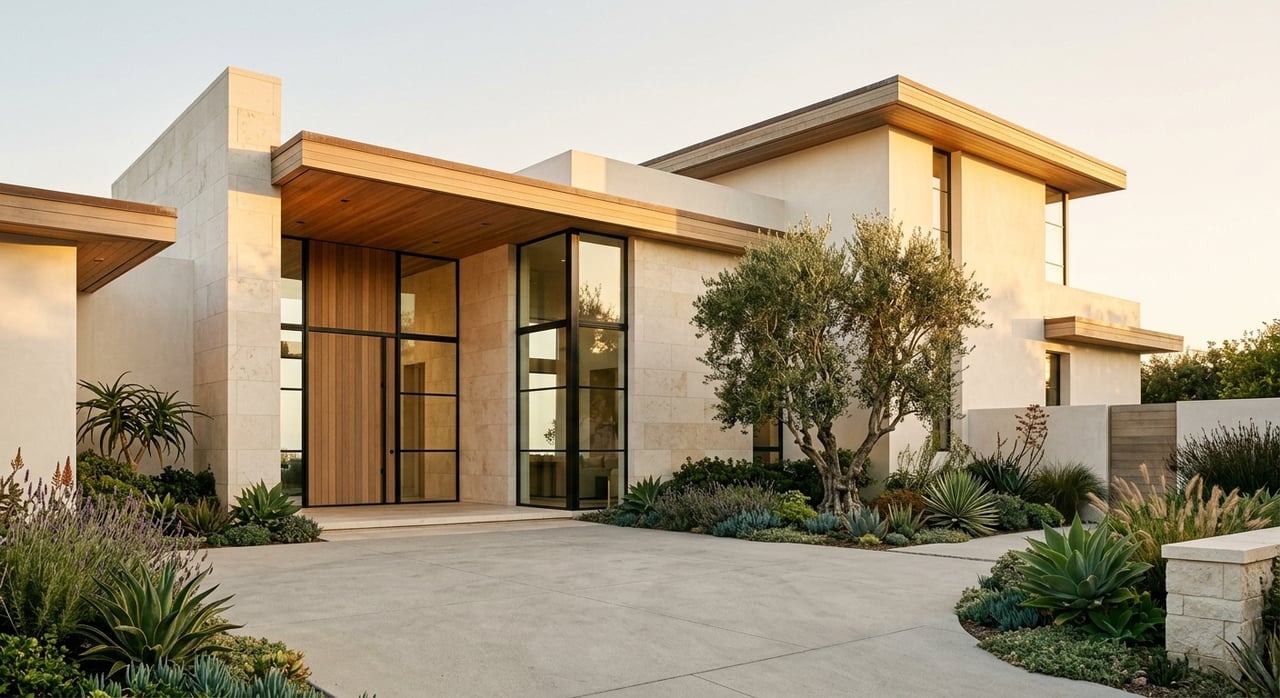
Wondering whether buying in Rancho Santa Fe Covenant is just like buying anywhere else in North County? In many ways, it is not. If you are considering a home here, you need to understand not only the property itself, but also the design standards, review process, lot rules, and lifestyle features that shape ownership. Let’s dive in.
What Rancho Santa Fe Covenant Is
Rancho Santa Fe Covenant is part of the San Dieguito Community Plan Area in San Diego County, which the county describes as a generally low-density estate residential area. According to the Rancho Santa Fe Association, the historic community spans about 6,730 acres, or roughly 10 square miles, and has around 4,300 residents. That scale matters because you are not just buying a home, you are buying into a carefully managed community structure.
The term “Covenant” refers to both the governing agreement among property owners and the community itself. The Protective Covenant was formally adopted in 1928, and the Association ties the area’s identity to its original planned-community vision and historic design roots. That long history helps explain why the buying process often feels more layered here than in a typical neighborhood.
Why Buying Here Feels Different
In the Covenant, the Rancho Santa Fe Association plays a much larger role than a standard HOA. The Association says it administers land-use regulations on about 1,930 private and commercial properties and operates building, planning, parks-and-recreation, and security functions. For you as a buyer, that usually means more documents, more review, and more property-specific due diligence.
This is especially important if you are drawn to a home because of what you hope to do with it later. A remodel, pool, guest house, barn, fencing plan, or even a major exterior finish change may involve Association review. In other words, future plans should be part of your buying decision from day one.
Architecture Standards to Know
The Covenant is known for a traditional architectural character rather than fast-moving design trends. The Association’s Residential Design Guidelines say acceptable design should stay within traditional Rancho Santa Fe concepts, including Spanish Colonial Revival, California Ranch, Mediterranean, Monterey, and other Hispanic-influenced forms. The overall goal is restraint, elegance, and buildings that fit their sites and surrounding landscape.
That design philosophy is actively reviewed in practice. The Association says the Art Jury and Building & Planning Department review exterior changes to help maintain the style and quality of the community. If you are buying a property with plans to update the exterior, it is wise to evaluate those ideas against the review culture before you close.
What This Means for Remodel Plans
A beautiful property is not always a blank canvas. If you are thinking about changing the façade, adding outdoor features, revising landscaping, or building accessory improvements, you should expect a review process. That does not mean improvement is off the table, but it does mean approvals are part of the ownership experience.
For luxury buyers, this can actually be part of the appeal. The same standards that require more planning also help preserve a consistent community character over time.
Lot Sizes Are Not All the Same
One common assumption is that every Covenant property sits on a sprawling multi-acre lot. In reality, the picture is more nuanced. The Association says most of the Ranch is low-density, large-lot development with an average lot size of more than two acres, but the Regulatory Code sets different minimum lot sizes by residential area.
Those minimums range from 2.86 net acres in Residence Area 1 to 0.20 net acres in Residence Area 4, with Village Area maps governing smaller-lot districts. That means you should not rely on general impressions alone. Each property should be evaluated based on its specific location, area classification, and development rules.
Lifestyle Amenities Buyers Often Value
For many buyers, Rancho Santa Fe Covenant is about more than the home itself. The Association says the Village sits near the center of the community and includes shops, restaurants, other commercial uses, and the historic Rancho Santa Fe Inn. This gives the Covenant a distinct sense of place that blends estate living with a central community hub.
The area also offers access to a wide range of member amenities tied to Covenant ownership. If lifestyle is one of your main reasons for moving here, these features may play a big role in your decision.
Golf Access
Golf is one of the defining amenities in the Covenant. The Association says the Rancho Santa Fe Golf Club is available to homeowners within Covenant boundaries, and golf membership is tied to property ownership in the community. The club says the Max Behr-designed course opened in 1929 and remains one of the area’s signature features.
Equestrian and Trail Access
Equestrian life is also deeply woven into the Covenant’s identity. The Association says the community has nearly 60 miles of equestrian and pedestrian trails reserved for residents and guests. The Rancho Riding Club adds more equestrian infrastructure, including arenas and riding instruction for multiple disciplines.
Osuna Ranch is another notable local asset. The Association describes it as a historic 25-acre property with equestrian boarding, walking paths, and grass pastures. If horses, trails, and open-air recreation matter to you, these features are important to understand early in your search.
Tennis, Pickleball, and Open Space
The Tennis Club is for the exclusive use of Covenant members and their guests, according to the Association. It includes eight hard courts, two clay courts, four pickleball courts, and social events. The Association also says the community includes two private sports fields, 68 acres of open space at the Arroyo property, and monthly guided trail walks for members.
Due Diligence Matters More Here
A Covenant purchase deserves deeper research than a typical home purchase. San Diego County directs property owners and buyers to tools for zoning and property research, permit applications, GIS tools, and building forms. The Association also provides new residents with utility information covering water, sewer, gas and electric, trash, internet, and cable providers.
For you, this means it is smart to confirm permit history, boundaries, utility service, and known property constraints rather than relying fully on marketing language or a listing description. On a large estate parcel, small details can have a big effect on your future plans and ownership costs.
Property Rules Can Reach Further Than Expected
The Covenant’s Regulatory Code covers a wide range of subjects. Separate chapters address animal keeping, slope protection, landscape, outdoor lighting, trail easements, solar systems, off-street parking, tennis courts and recreation areas, exterior materials, and subdivision or boundary adjustments. That breadth is one reason experienced local guidance can be so valuable when evaluating a property.
What Horse Property Buyers Should Check
If you are considering a horse property, the rules deserve extra attention. Chapter 40 of the Regulatory Code says horses and bovine cattle require an animal-keeping permit from the Art Jury. It also sets a minimum lot size of two gross acres for keeping horses or bovine cattle.
In addition, separate construction permits are required for fences, structures, and other animal-keeping facilities. Commercial horse operations on residential property are also limited. If equestrian use is part of your plan, you will want to confirm the lot qualifies and that any existing or future facilities align with current rules.
Fire Preparedness Should Be Part of Your Budget
Large parcels often come with more land to manage, and in San Diego County that can include wildfire-related upkeep. CAL FIRE says defensible space and home hardening are key wildfire protections and notes that San Diego County may require 50 feet of clearance in Zone 1. For a buyer, that makes vegetation management, slope, access, and ongoing maintenance worth evaluating before closing.
This is not just about safety on move-in day. It is also about understanding the long-term work and cost that may come with owning a larger estate property.
What to Expect in Escrow
Escrow in Rancho Santa Fe Covenant often calls for a more careful review period because of the layered property standards involved. You may need to spend more time looking at Association rules, county records, permit history, utility service, and how your long-term plans fit the property. That extra effort up front can help you avoid expensive surprises later.
For many buyers, the tradeoff is worth it. The Covenant offers privacy, open space, strong community character, and access to distinctive amenities, but it rewards buyers who do their homework.
If you are considering a purchase in Rancho Santa Fe Covenant, working with a local advisor who understands the area’s property standards, approval culture, and lifestyle differences can help you buy with more clarity and confidence. To start your search with experienced Rancho Santa Fe guidance, connect with Christine La Bounty.
FAQs
What is Rancho Santa Fe Covenant?
- Rancho Santa Fe Covenant refers both to the governing agreement among property owners and to the community itself within historic Rancho Santa Fe.
Are all Rancho Santa Fe Covenant homes on large lots?
- No. While many properties are on large lots, minimum lot sizes vary by residential area, from 2.86 net acres down to 0.20 net acres in some districts.
Can you remodel a home in Rancho Santa Fe Covenant freely?
- No. Exterior changes are reviewed through the Rancho Santa Fe Association’s design-review process.
Does Rancho Santa Fe Covenant ownership include golf access?
- The Rancho Santa Fe Association says golf access at the Rancho Santa Fe Golf Club is tied to property ownership within Covenant boundaries.
Can you keep horses on a Rancho Santa Fe Covenant property?
- Possibly, but horse keeping depends on lot size, permits, and compliance with the Regulatory Code.
What should buyers research before buying in Rancho Santa Fe Covenant?
- Buyers should review Association rules, permit history, zoning and property records, utility service, lot-specific constraints, and any plans for future improvements or equestrian use.